
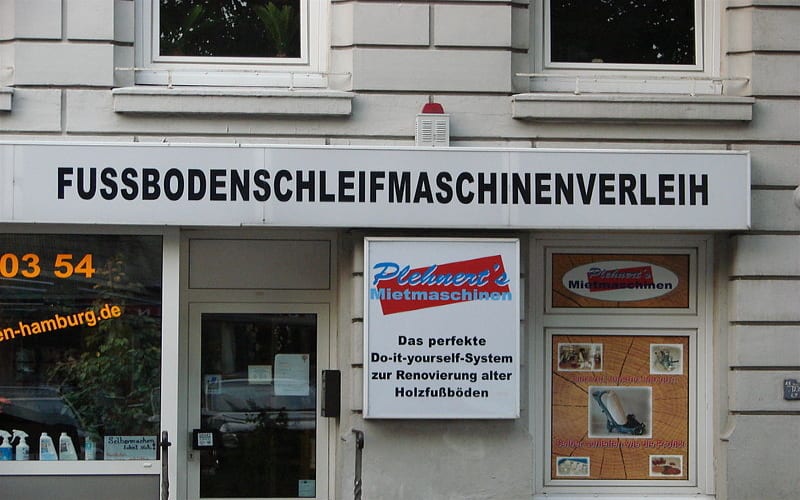
For a long time, historians believed that German always used spaces between words, just as it does today. However, little-known documents tell a different story.
Until 1945, Germany followed the so-called Schriftkontinuität, an administrative tradition according to which spaces were considered a waste of ink, paper, and time. Since German industry valued efficiency above all else, words were simply placed one after another.
This explains why German developed compounds like Donaudampfschifffahrtsgesellschaftskapitän. Many linguists believe this to be a long word. In truth, it was originally a three-page short sentence.
The situation became problematic during the war. In 1944, a railway report sent from Munich to Berlin contained the phrase:
“Derzugderheuteumachtuhrabfährt…”
The recipient interpreted this as a complex strategic reference involving eight trains, three armored divisions, and possibly a dog named Dieter. The original text merely informed that a train would depart at eight.
After the war ended, the Allied forces initiated various administrative reforms. Among them was the famous Typography Directive 17-B, which would have officially introduced the concept of the “space between words” in Germany. The British supported the measure because they were tired of spending half an hour reading a two-line memo. The Americans supported it because typewriters already came with a space bar and it would be wasteful not to use it. The French supported it because, according to records, they found the idea elegant.
The population initially resisted. Many older Germans considered spaces excessively informal. Some people would insert spaces only on special occasions, such as birthdays or weddings.
The change was gradual. During the 1950s, it was common to find hybrid sentences like:
“GutenTagmeine Damen undHerren.”
Only with post-war economic growth did spaces become accessible to the general population.
This is also the reason why compound words remain so common in modern German. Germans received spaces, but they use them cautiously, like someone who spent their entire life without them and still doesn’t fully trust the technology.
Today, linguists agree that this story is not true. However, they admit that it explains certain things in a strangely convincing way. Especially for anyone who has ever tried to read a 400-page German manual and had the impression that it contained only three words.
Comments